Picture yourself stepping from an elevator onto a sky deck with poolside cabanas, city views, and a coffee bar downstairs. That is the Brickell lifestyle many buyers want. The part you do not always see is how those amenities show up in your HOA dues, your insurance, and even your loan options.
If you are shopping for a Brickell condo, you deserve a clear, simple guide. In this article, you will learn which amenities are common, what HOA dues usually cover, the Florida rules that matter, how financing can be affected, and a practical checklist to use before you write an offer. Let’s dive in.
Brickell amenities and trade-offs
Brickell is known for high-rise living with a resort feel. Buildings often compete on lifestyle, which can be a great value if you use the amenities and understand the costs. The key is matching your wish list with your monthly budget.
Pools and outdoor spaces
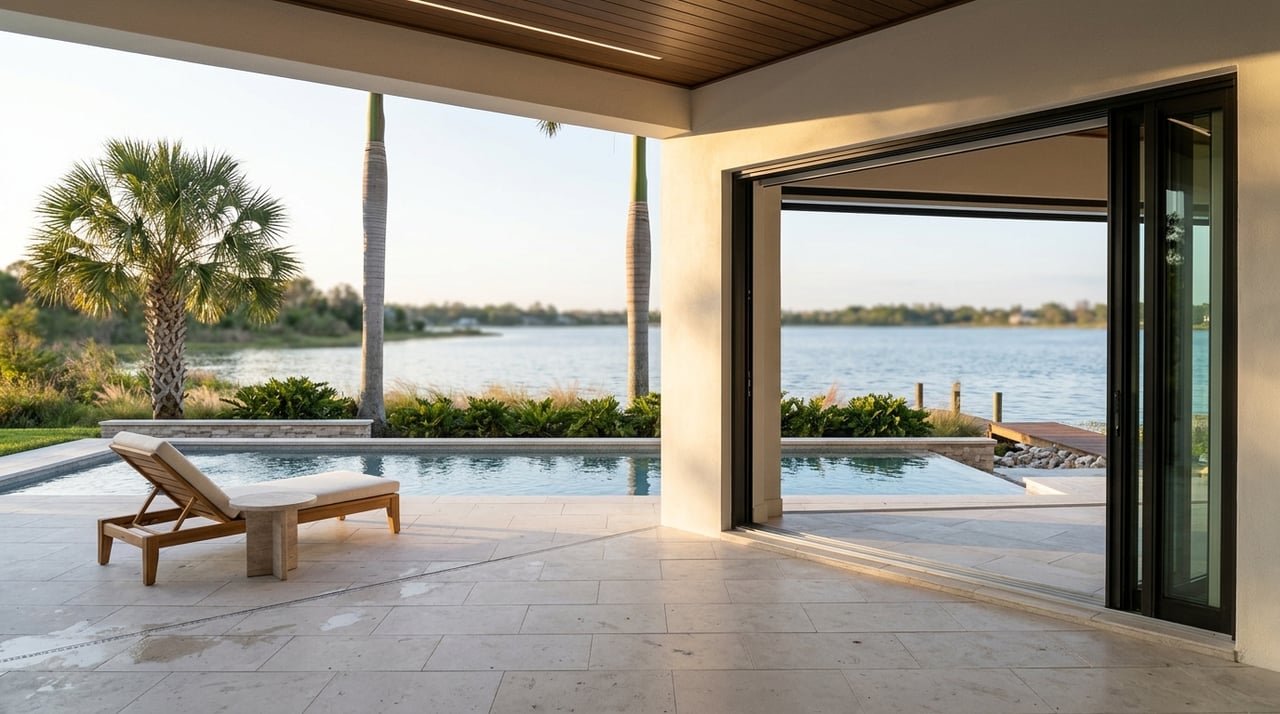
Many newer towers feature rooftop or multi-level pools, heated lap pools, private cabanas, and grill terraces. For example, Brickell Flatiron showcases a sky deck, pools, and thoughtfully designed outdoor spaces that set a luxury tone. Those water features and landscaped decks also need ongoing care and utilities, which factor into dues. Explore Brickell Flatiron’s amenity program.
Fitness, wellness, and spa
Large gyms with studios, saunas, and treatment rooms are common. If you plan to drop a separate gym membership, this can be a smart trade. Just remember that equipment, staffing, and utilities add to a building’s operating budget.
Concierge and staffing
Full-service towers typically offer 24/7 concierge, package handling, valet, security, and on-site management. These services improve daily convenience but are among the biggest recurring expenses for an association.
Work and social spaces
You will often see business lounges, quiet pods, and reservable conference rooms. These add value if you work from home, though they require technology upkeep and cleaning.
On-site dining and retail
Select buildings integrate a café or restaurant and may include street-level retail. This creates energy and convenience, but mixed-use elements can make budgets and ownership structures more complex.
Pet, kids, and specialty rooms
Dog areas, grooming stations, kids’ playrooms, movie rooms, and party spaces appear on many amenity lists. Each feature adds maintenance, insurance, and sometimes staffing costs.
How HOA dues work
Every building is different, but most high-rise associations cover similar categories. Your goal is to understand what you get for your monthly payment and how well the building plans for future repairs.
What dues usually cover
- Exterior and common-area care: façade, roof, elevators, lobby, and landscaping.
- Staff and professional services: on-site manager, concierge, security, property manager, legal, and accounting.
- Common-area utilities and sometimes unit utilities: water, hot water, cable, or bulk internet. Always verify what is included for the unit in the listing or association packet.
- Insurance for the master policy: building structure, common areas, and liability. Owners carry separate HO-6 policies for interiors and personal property. Learn what HO-6 covers from this State Farm guide.
- Amenity operations: pool heating, gym cleaning and equipment, trash, pest control, and garage maintenance.
- Contributions to reserves for long-term capital repairs.
Why reserves matter
Healthy reserves reduce the chance of surprise costs. A professional reserve study forecasts major repairs and tracks how well reserves are funded. Industry guidance notes that lower funding increases the probability of special assessments, while stronger funding lowers that risk. Review the most recent reserve study and understand the “percent funded” metric. See the CAI Reserve Study Standards overview.
Special assessments and timing
If the association does not have enough reserves when a repair is required, the board may levy a special assessment or take a loan. In Florida, mandatory structural inspections can uncover needed work, and remediation can be costly for coastal high-rises. Get clarity on upcoming projects, funding sources, and payment schedules. Read an overview of the 2022 reforms often referred to as SB 4-D here.
What can push dues higher
- 24/7 staffing, valet, and security teams.
- Multiple heated pools, spa and wellness facilities.
- Complex mechanical systems: central hot water, chillers, garage ventilation.
- Elevated insurance costs and wind or flood risk exposures.
- On-site restaurants and structured parking operations.
Florida rules to know
Florida’s condo framework sets out buyer rights, recordkeeping duties, inspection cycles, and insurance norms. Knowing the basics helps you ask stronger questions and avoid surprises.
Milestone inspections and safety
Buildings that are three stories or more must undergo milestone structural inspections at 30 years, or 25 years if they are within three miles of the coast, and then every 10 years. If an initial inspection finds deterioration, a more detailed follow-up is required. Always ask if a building has completed its milestone inspection and what, if any, remediation is planned. Review the text of Florida’s 2022 reforms here.
Official records and access
Under Chapter 718, associations must keep official records such as budgets, financials, reserve studies, inspection reports, and meeting minutes. Buyers can request access, and certain associations must post materials on a website. If access is denied or delayed, consider it a governance red flag. Read the statute on records and access in Section 718.111.
Estoppel and resale certificates
On resales, the association must issue an estoppel certificate within a set period after request. This document lists the current dues, any unpaid amounts, special assessments, and other financial obligations tied to the unit. Order it early so your lender has time to review. See the estoppel rules in Section 718.116.
Insurance and flood risk
The association’s master policy generally covers the building shell and common areas. You will carry an HO-6 policy for interiors, personal property, and liability, and you may want loss assessment coverage. Standard policies do not cover flood; that is separate under the NFIP or a private flood insurer. Ask for the master policy declarations page and get an HO-6 and flood quote early. Learn HO-6 basics in this State Farm explainer.
Financing and warrantability
Your loan options depend on both your profile and the building’s profile. Lenders review the association’s financial health, concentration of investors, litigation, reserves, and planned capital work.
What lenders review
Many conventional lenders follow Fannie Mae and Freddie Mac condo project standards. They check items like reserve funding, owner-occupancy, delinquency rates, commercial components, and pending litigation or assessments. A building with material issues can be labeled non-warrantable, which narrows financing choices or raises down payment needs. Review the project criteria in Fannie Mae’s summary.
How amenities affect affordability
More amenities often mean higher operating costs and dues. If a building faces major repairs after a milestone inspection, that can also affect project approval. Align your amenity priorities with your financing plan and verify the building’s financials early so you are not surprised mid-loan.
Brickell buyer due diligence
Request the building’s documents as soon as you go under contract, or sooner if possible. Share them with your lender and insurance agent right away.
Documents to request early
- Estoppel or resale certificate showing dues, unpaid amounts, and any special assessments. See timelines in Section 718.116.
- Current-year budget and financial statements for the last two to three years.
- Current reserve study and any structural integrity or milestone inspection reports. Learn the framework of SB 4-D here.
- Meeting minutes for the last 12 months covering assessments, loans, insurance, major projects, or management changes. Records duties are in Section 718.111.
- Association insurance declarations for the master policy and any fidelity bond. Use them to price your HO-6 and estimate loss assessment exposure. See HO-6 basics here.
- Any disclosed litigation documents and explanations.
- Rental policy and rules, including short-term rental limits. The City of Miami has registration and procedures for lodging and short-term rentals; review the city’s guidance here.
- Parking and storage details, including whether spaces are deeded or assigned and any related fees.
Red flags to investigate
- Very low reserve balances or an outdated reserve study.
- Recent or proposed major special assessments, or unclear funding for required repairs.
- High HOA delinquency rates or a high percentage of investor-owned units.
- Material litigation related to structure, envelope, fire, or safety issues.
- Difficulty accessing official records or required posted materials.
Quick checklist for showings
Use these questions to compare listings apples to apples and surface hidden costs:
- What are the current monthly HOA dues, and what do they include (water, hot water, cable, bulk internet, valet, parking)?
- Does the association have a current reserve study? What is the percent funded, and when was it last updated?
- Are any special assessments pending or recently approved? How much is allocated to this unit, and what is the payment schedule?
- Is there any pending litigation involving the association? What is it about?
- Has the building completed its milestone inspection? If not, when is it due, and who will pay for remediation?
- What does the master insurance policy cover? What are the wind or hurricane deductibles? Is separate flood insurance required or recommended?
- Are short-term rentals allowed under both the association rules and City of Miami regulations?
Make your move with confidence
Brickell offers a high-energy, amenity-rich lifestyle that can truly elevate your day-to-day. The key to a smart purchase is understanding how amenities shape dues, how reserves and inspections affect risk, and how a building’s health influences financing. With the right plan and documents in hand, you can choose a condo that fits your life and your budget.
If you want help comparing buildings, reviewing association docs, or aligning your loan strategy with your wish list, let’s talk. Connect with Julimar Barreiro for bilingual, high-touch guidance and a clear path to your Brickell condo.
FAQs
What amenities are typical in Brickell condos?
- You will often find rooftop or resort-style pools, full gyms with studios, concierge and valet, business lounges, and pet or kids’ spaces, with some towers adding on-site dining and retail.
How are HOA dues calculated in Miami high-rises?
- Dues reflect building size, staffing, included utilities, insurance, amenity operations, and reserve funding for future repairs; always review the budget and what is included for your unit.
What is a milestone inspection in Florida condos?
- It is a required structural review for buildings three stories or more at year 30 (or 25 near the coast) and every 10 years after, with more detailed follow-up if issues are found.
What insurance do Brickell condo owners need?
- The association carries a master policy, and you carry an HO-6 policy for interiors and liability; flood insurance is separate and may be required by lenders based on flood zones.
How do condo amenities affect mortgage options?
- More amenities can increase dues, and if a building has weak reserves or major repairs, lenders may limit programs or require larger down payments, so verify project eligibility early.