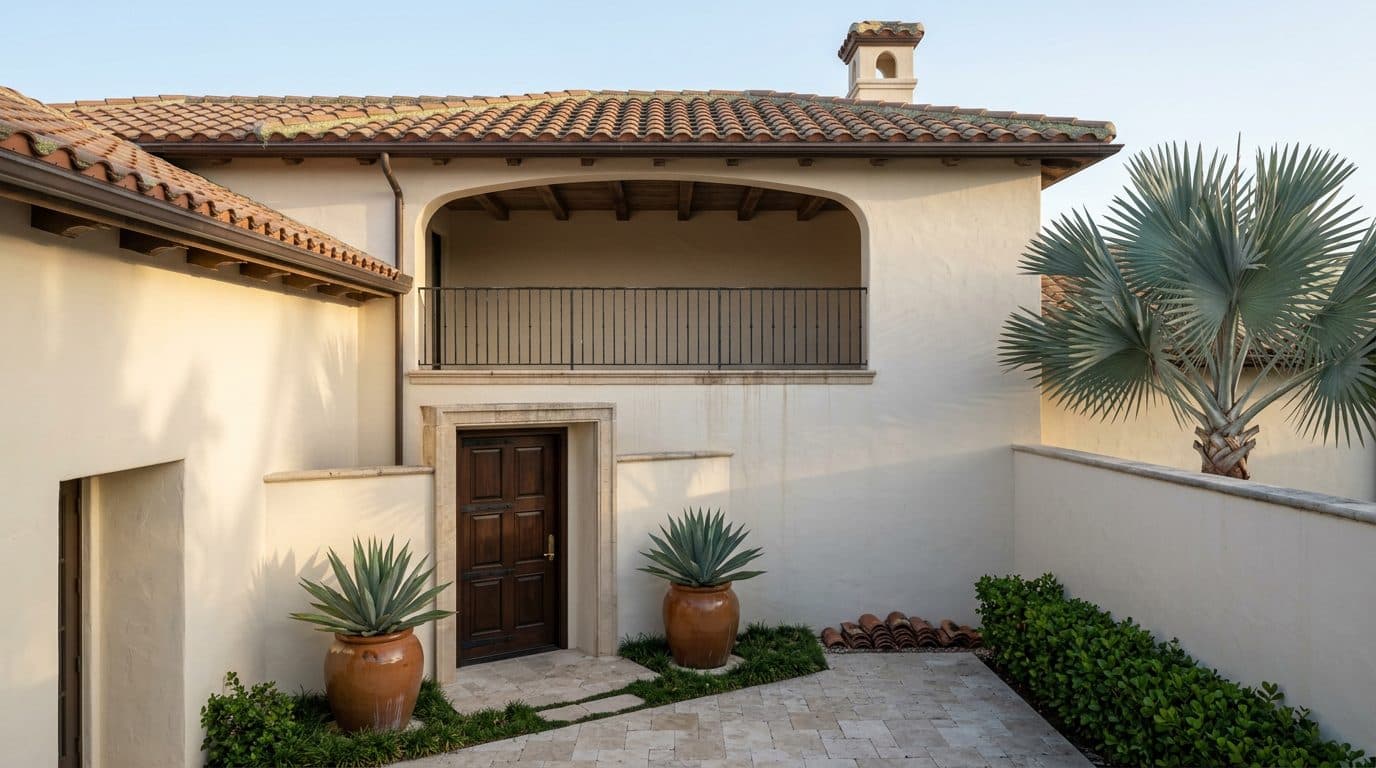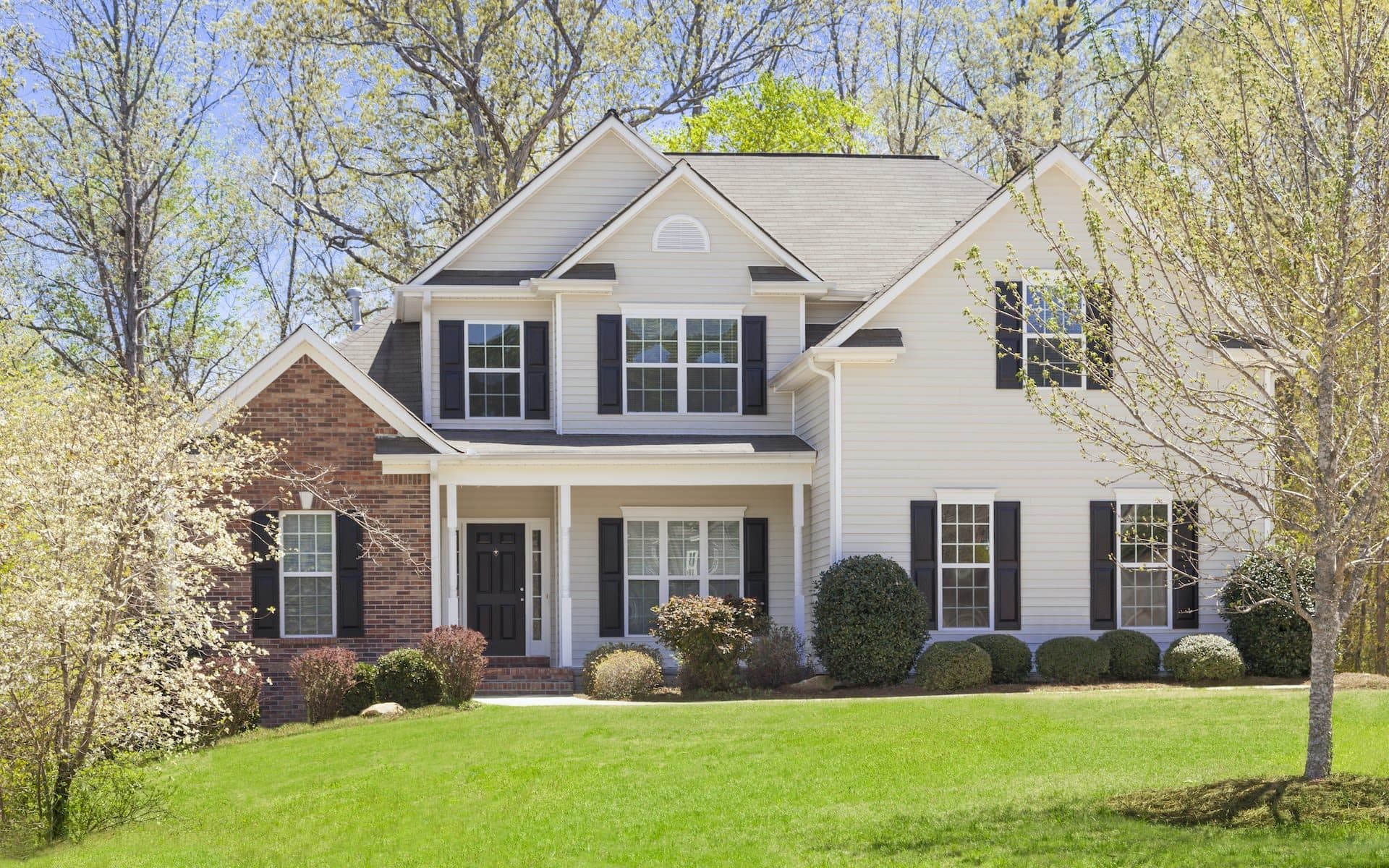
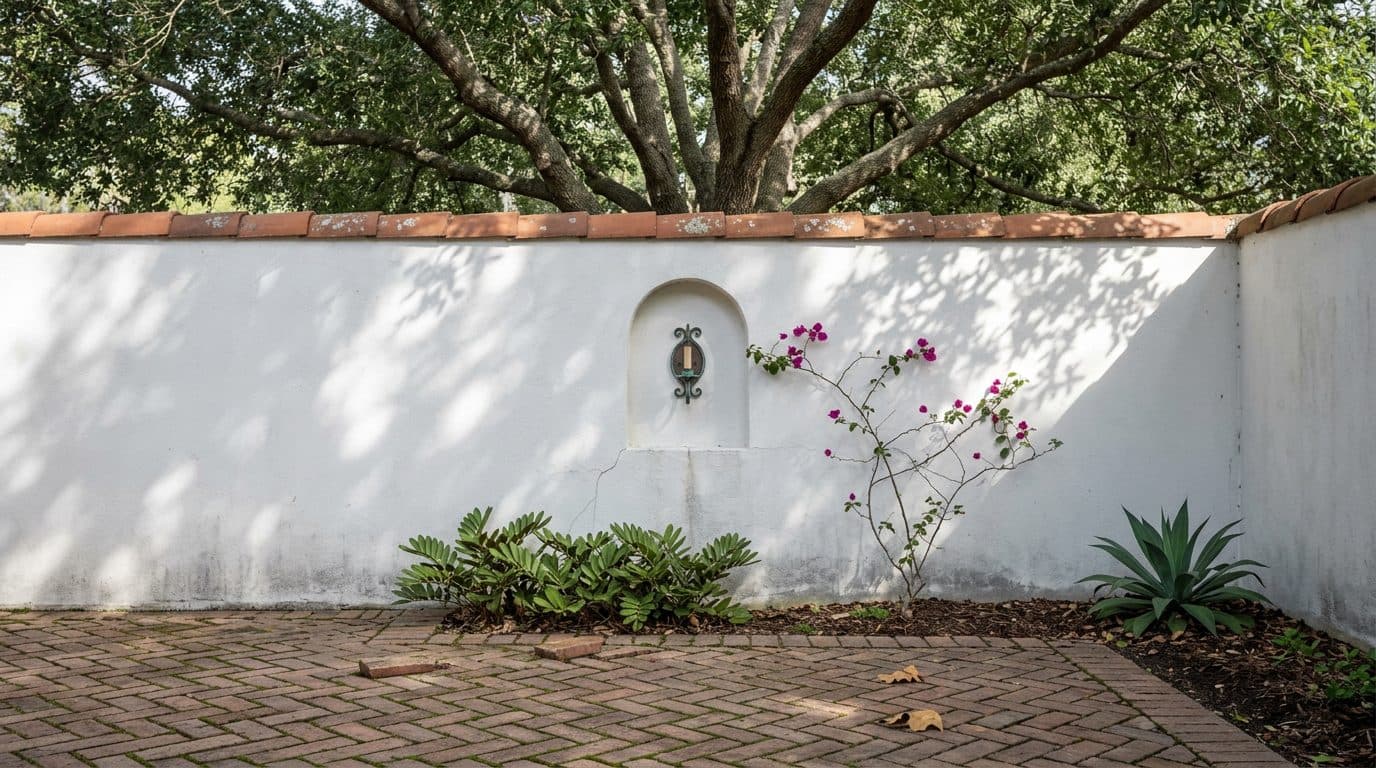
A buyer and a contractor stand in the front yard of a 1930s bungalow near Winter Park's brick streets, tape measure in hand, staring up at a live oak that's older than the house. The buyer wants to know if the mortgage will clear underwriting. The contractor wants to know something else entirely: how many inches around is that trunk, and is the buyer's renovation budget built for what the city might charge to move it. That second question rarely comes up before the offer gets written, and by the time it does, it can reshape the whole project.
This is the version of Winter Park real estate that median-price headlines don't show. The city's charm, its lakes, its brick streets and its canopy, is also the thing quietly setting the price of what you're allowed to build once you own the dirt underneath it.
Winter Park is built out. There's no undeveloped subdivision waiting on the edge of town, so nearly all new inventory in the core comes from tearing down an older home or taking on a major renovation of one. The house on the lot is often a placeholder. The land underneath it is the asset, and the market has started pricing it that way. Land parcels listed in Winter Park carried a median price of $1,462,500 in August 2026, up from $499,000 in August 2025, even as the broader home price growth in the city stayed in single digits over the same period. Over the three months ending May 2026, Winter Park's median home sale price sat at $800,000, up 7.3 percent from the same period a year earlier.
Put those two numbers side by side and the story changes. Homes are appreciating at a normal clip. Land is being bid up like it's the scarce resource, because it is. That shift matters because what you can actually build on a given lot in Winter Park isn't decided by zoning alone. It runs through two boards most buyers never contact before closing.
Two Boards You Don't Meet at the Open House
The first is the Historic Preservation Board , which administers the city's Historic Preservation Ordinance under Chapter 58, Article VIII, and reviews Certificate of Review applications for any addition or alteration to a designated historic property. The city has recorded more than 700 historic structures, representing about 7 percent of residential dwellings, so this isn't a rare edge case. It's a real possibility for a meaningful share of the resale stock.
Here's the part that surprises buyers: designation doesn't freeze the property. Historic homes are often non-conforming to the current Land Development Code, and the HPB has the authority to grant variances so that appropriate changes and additions can move forward anyway. New construction inside a historic district doesn't have to imitate the old architecture either. It has to complement the district's height, materials, roof form, and rhythm well enough to fit.
The second board is the city's Tree Preservation Board, an advisory body that recommends tree policy to the City Commission and hears appeals on removal permits and variances. Winter Park's Urban Forestry Division oversees more than 75,000 trees across public and private property, plus another 25,000 in the public right of way. A large share of those trees are protected, and protected status follows the tree, not the buyer's intentions for the lot.
What Actually Trips Up a Renovation, by Street
Not every corner of Winter Park carries the same review risk. A local design-build firm that has completed more than a hundred Winter Park projects over two decades breaks the friction down by era and address, and the pattern is consistent enough to plan around.
1920s-40s Mediterranean Revival and Colonial, plaster and masonry
Walls assumed to be partitions are often load-bearing, requiring an engineered beam once opened
Contributing structures require design that's built for the review from the first sketch, not revised after a denial
Low ceilings and chopped floor plans reward wall removal, but era wiring and plumbing often surface once walls open
That middle row is the one worth sitting with. A Vias property under preservation review isn't off-limits to renovation. It just means the design has to work inside what the board and the house will approve, and that's a planning decision made before the offer, not after the permit gets denied.
Removing a protected tree in Winter Park isn't free, and the city has priced it precisely: compensation for removing a protected tree runs $110 per caliper inch of diameter at breast height , under the fee schedule effective October 2025. A single 30-inch oak, a size that's common on older lots with mature canopy, works out to $3,300 in compensation alone, on top of the permit itself. The city's tree preservation ordinance also allows conditions that combine replacement planting with financial compensation, and unpermitted removal can trigger real money. Across Central Florida cities with similar canopy ordinances, removing a protected Heritage oak without a permit has resulted in fines exceeding $21,000 in some jurisdictions, a number that should make any buyer pause before assuming a tree can simply be cleared to make room for a pool or an addition.
There is one narrow escape valve. Florida Statute 163.045 prevents a local government from requiring a permit, fee, or mitigation when an ISA-certified arborist documents that a tree on a single-family, detached home used for residential purposes poses an unacceptable risk to people or property. That's a real protection, but it's a narrow one. It applies to genuinely hazardous trees, not healthy specimens that happen to be inconveniently placed.
A protected oak in Winter Park isn't a landscaping feature. It's a line item on the renovation budget, and until an arborist measures the trunk, nobody in the transaction actually knows how large that line item is.
If a renovation, addition, or teardown is part of the plan, a few questions belong in due diligence before the contract goes hard, not after.
Ask whether the property or the district it sits in appears on the Winter Park Register of Historic Places, and if so, request any prior Certificate of Review approvals or violations on file.
Get a tree survey with trunk diameters for anything on the lot that looks mature. The city's Urban Forestry Division and the permitting portal can confirm which trees are protected before you're contractually committed.
Ask your contractor to price the renovation by era, the way local design-build teams already do internally. A 1920s masonry structure, a Vias estate home, and a Kenilworth ranch are three different projects wearing the same zip code.
Budget separately for tree compensation and for HPB review timelines if either applies. Neither shows up in a standard renovation estimate, and both can move a closing timeline by months.
Land is being priced like the scarce commodity it actually is, and that pressure pushes more buyers toward exactly the properties where tree cover and historic status carry the most weight: older homes on larger, more established lots. The buyers who ask about the oak tree and the district status before they write the offer are pricing the real project. The ones who find out afterward are the ones who end up renegotiating, or budgeting for a permit fight they didn't see coming.
Does every large tree in my yard require a permit before removal?
Not automatically. Some species and sizes are exempt, and the specific thresholds are set in the city's tree ordinance and can change over time. The safest step is confirming directly with Urban Forestry staff or through the permitting portal before assuming either way.
Does buying in a historic district mean I can't renovate or add on?
No. New construction and additions are allowed inside Winter Park's historic districts, and they don't have to copy historic architecture. They need to complement the district's scale and pattern, and the Historic Preservation Board can grant variances when a historic property doesn't conform to current code.
What if the tree is actually dangerous, not just old?
Florida law gives owners of single-family, detached homes an exemption from local permit and fee requirements when an ISA-certified arborist documents that a tree poses an unacceptable risk, but it only applies to trees that genuinely meet that risk standard. It isn't a workaround for clearing a healthy tree that's simply in the way.
Renovation math in Winter Park depends on the specific lot, the specific tree, and the specific street, not the zip code as a whole. Julimar Barreiro works with buyers across Winter Park's older neighborhoods to size up that math before an offer goes in, not after. If you're weighing a fixer-upper, a teardown lot, or a home inside one of the city's historic districts, start with a free home valuation and a conversation about what the property will actually let you build.