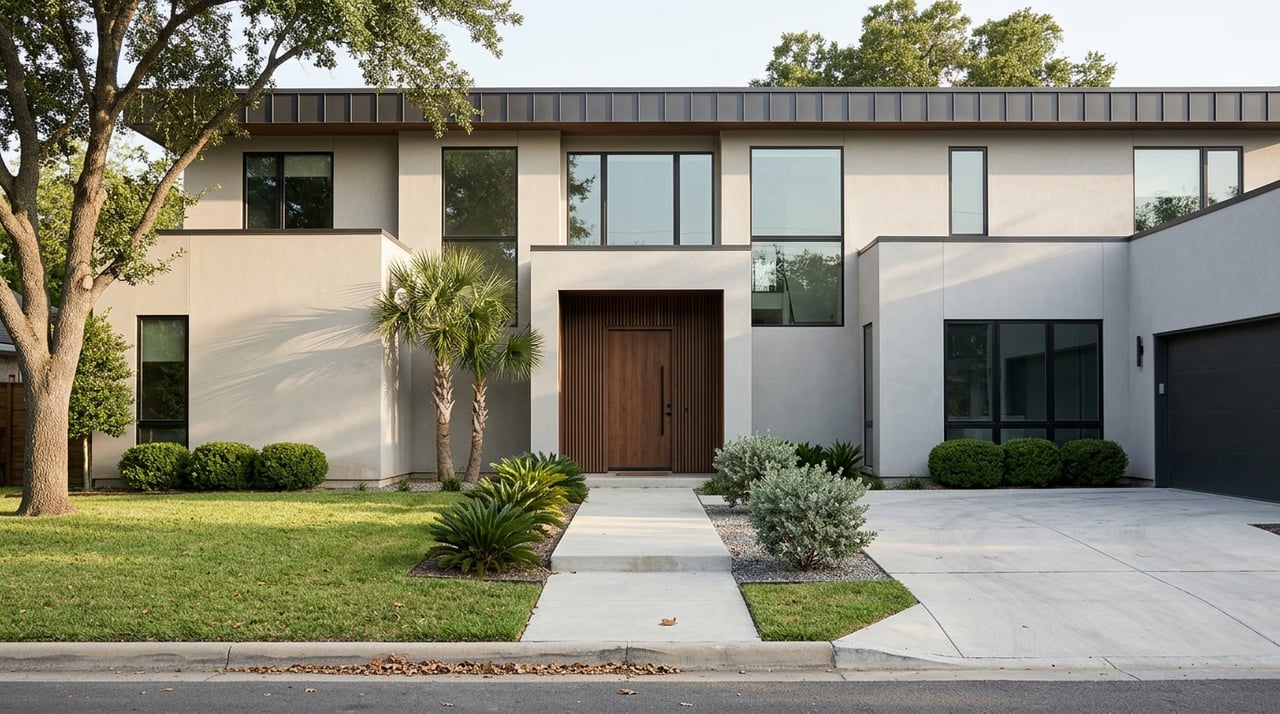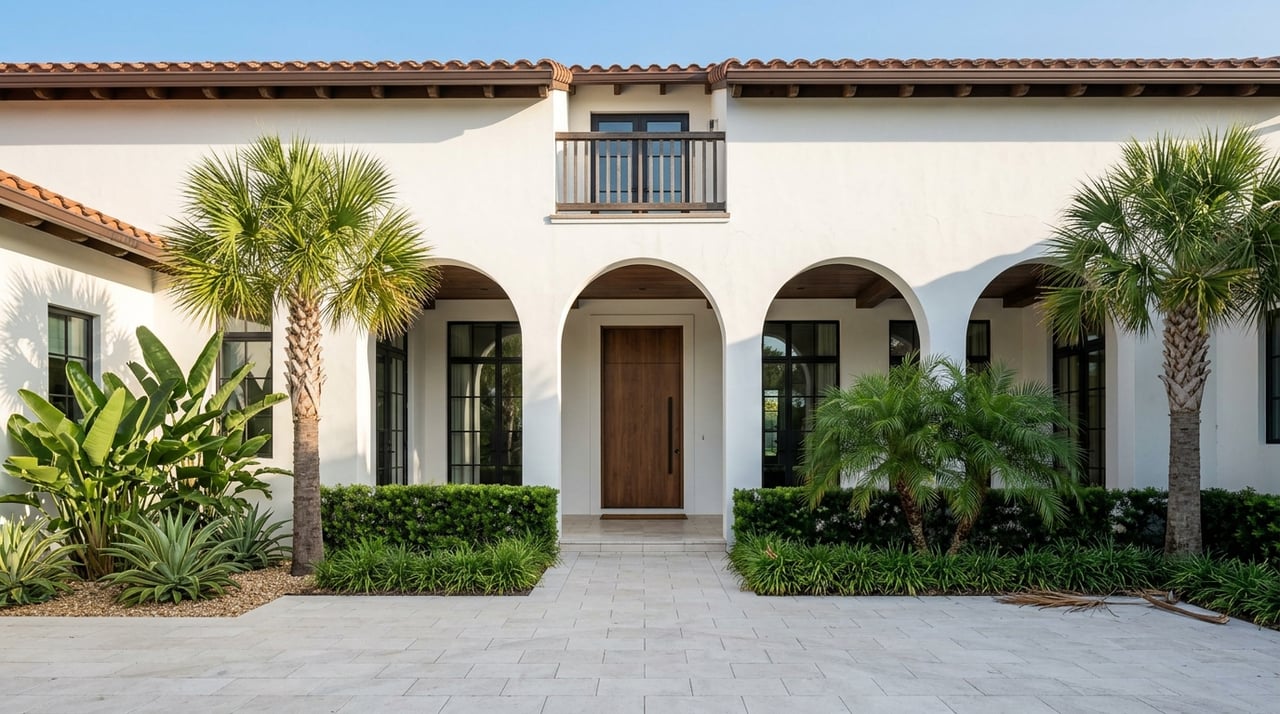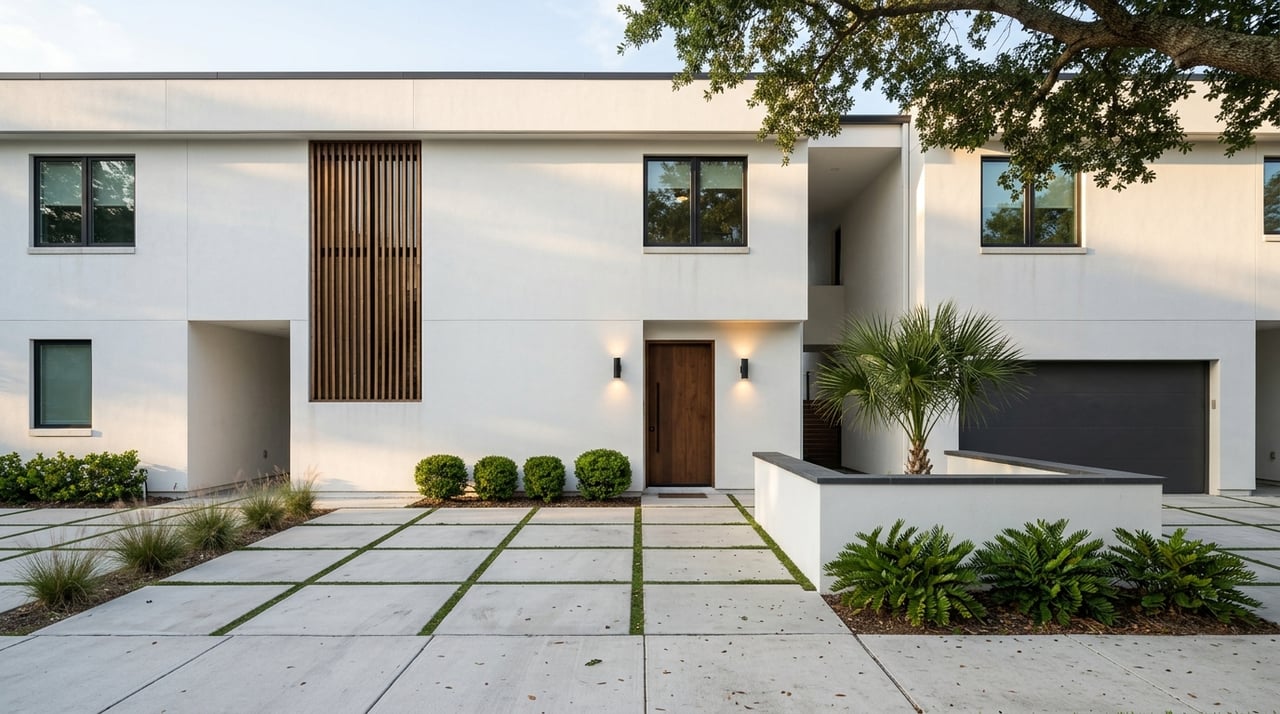
Wondering whether a condo or townhome in Winter Park could simplify your life without giving up location and convenience? If you want easier day-to-day upkeep, walkable surroundings, and quick access to local amenities, attached living can be a smart fit. The key is knowing what you gain, what you trade off, and what questions to ask before you buy. Let’s dive in.
Why Winter Park Fits Attached Living
Winter Park offers a setting that naturally supports condo and townhome living. The city covers about 10 square miles, has more than 30,000 residents, and sits roughly three miles north of Orlando. Its mix of historic character, parks, lakes, shopping, dining, museums, and Rollins College creates the kind of in-town lifestyle many buyers want.
For you as a buyer, that means attached housing is not just about the home itself. It is also about being close to the places you may actually use every week. In Winter Park, that often includes downtown destinations, green space, and everyday conveniences.
The city also emphasizes walking, biking, and transit connections. Winter Park highlights a pedestrian and bicycle network, downtown parking management, residential parking districts, and access to LYNX and SunRail. The Winter Park/Amtrak station near Morse Boulevard and Park Avenue is within walking distance of Central Park and the Park Avenue district.
That matters if you want a lifestyle with less driving and less yard work. For many buyers, the appeal of a condo or townhome in Winter Park is the chance to enjoy a connected location with fewer exterior maintenance demands.
Townhomes and Condos Are Not the Same
One of the biggest mistakes buyers make is treating all attached homes like one category. Winter Park’s planning documents show a range of multifamily housing forms, including duplexes, townhouses, garden apartments, and high-rise apartments. In other words, you may see very different living styles even within the same city.
A townhome often offers a more house-like layout. You may have multiple floors, a private entrance, and an HOA that maintains certain shared areas or exterior elements based on the governing documents. The feel can be more private, while still reducing some maintenance compared with a detached home.
A condo can feel very different depending on the building and community. Some are in smaller buildings that blend into older neighborhoods, while others may be in larger structures with more shared systems and amenities. Your ownership, maintenance responsibilities, and association structure can vary, so it is important to look past the listing photos.
Winter Park’s historic preservation and older urban fabric also shape what attached living looks like here. Many buyers are drawn to the scale, exterior character, and proximity to parks and Park Avenue rather than large yards. If that sounds like your style, attached living may deserve a closer look.
What Makes Winter Park Appealing
For the right buyer, Winter Park can check a lot of boxes. The city’s historic downtown, tree canopy, chain of lakes, and 75 parks support a lifestyle centered on convenience and place. That combination can be especially attractive if you value being near activity without taking on a larger property to maintain.
This type of home often works well for buyers who want lower day-to-day upkeep. That can include downsizers, busy professionals, and part-time residents. Instead of focusing on lawn care and major exterior chores, you may prefer a home base that lets you lock up and go more easily.
Of course, low-maintenance does not mean no-maintenance. It usually means some responsibilities shift from you to an association, and that comes with dues, rules, and shared decision-making. The lifestyle can be convenient, but you should understand exactly how that arrangement works before you commit.
Key Tradeoffs to Understand
Attached living can offer strong benefits, but it is not the right fit for everyone. Before you buy, it helps to be honest about the tradeoffs.
Here are some of the most common ones:
- Less exterior maintenance and yard work
- More shared rules and community oversight
- Predictable recurring dues, but possible special assessments
- Potentially stronger location access, but less privacy than some detached homes
- Easier lock-and-leave living, but less control over building-wide decisions
If you like the idea of convenience but dislike shared rules, this is where you should slow down and evaluate carefully. The real question is not whether a condo or townhome is better in general. It is whether the specific community fits the way you want to live.
Condo Due Diligence in Florida
If you are buying a condo in Winter Park, Florida’s disclosure rules make your review period especially important. Sellers are required to provide key documents, including the declaration, articles, bylaws and rules, annual financial statement and annual budget, the inspector-prepared summary of any milestone inspection report if applicable, and the association’s most recent structural integrity reserve study, or a statement that one has not been completed.
Florida law also gives condo buyers a voidability window of 7 days after receiving the required documents. That means you have a limited but meaningful opportunity to review the association’s paperwork and decide whether to move forward. This is not a step to rush.
When you read through condo documents, focus on the practical impact on your ownership experience. Monthly dues matter, but so do reserves, repair history, insurance details, maintenance responsibilities, and rules around leasing, pets, parking, and approvals. A condo that looks easy on the surface may involve bigger costs or restrictions than you expected.
Milestone Inspections and Reserve Studies
For some condo buildings in Florida, milestone inspections and structural integrity reserve studies are a major part of due diligence. The milestone-inspection law applies to residential condo and co-op buildings that are three or more habitable stories in height. The law requires milestone inspections by the end of the year a building reaches 30 years of age and every 10 years after that.
Florida law also requires certain existing unit-owner-controlled associations to complete a structural integrity reserve study within the statutory timeline. According to DBPR, that study focuses on eight key elements:
- Roof
- Structural systems
- Fireproofing and fire protection systems
- Plumbing
- Electrical systems
- Waterproofing and exterior painting
- Windows and exterior doors
- Other large deferred-maintenance items affecting structural integrity
These reports are part of the association’s official records and must be provided to prospective purchasers. For you, this is valuable because it can reveal whether a building is planning for major repairs or may need increased funding. If a building is older or taller, these documents deserve close attention.
Insurance Questions Matter More Than You Think
Condo insurance can be more layered than many buyers expect. Florida law places some coverage responsibilities on the association and some on individual unit owners. That means you should confirm what the master policy covers, what the deductibles are, and what kind of personal policy you may need before closing.
This is important because two communities with similar dues can still create very different out-of-pocket risks for owners. If the association has higher deductibles or limited coverage in certain areas, your own policy planning becomes even more important. Clear answers here can help you avoid surprise costs later.
Townhome HOA Review Still Matters
If you are leaning toward a townhome, do not assume the review process is simple just because it is not a condo. In Florida HOA-governed communities, associations must maintain official records that can include the declaration, bylaws, articles, rules, insurance policies, minutes, contracts, budgets, and financial reporting. Assessments can also be levied under the governing documents, and unpaid assessments can become lien claims.
That means a townhome purchase still calls for real due diligence. You want to verify what the HOA maintains, what you maintain, whether any major projects are planned, and whether special assessments may be coming. Low-maintenance living works best when you understand who is responsible for what.
A Local Rule Buyers Should Know
Winter Park has one local rule that can strongly affect your plans. The city code states that the rental, use, or occupancy of a residential dwelling for less than one month is prohibited. If you are thinking about buying in Winter Park mainly for a short-term rental strategy, that limitation matters.
For many owner-occupants, this rule may actually support the type of lock-and-leave environment they want. Still, it is important to match your purchase to your goals from day one. A home that works well for personal use may not fit the investment plan you had in mind.
Questions to Ask Before You Buy
Before you move forward on a Winter Park condo or townhome, keep your questions focused on condition, finances, and rules. A polished showing can never replace careful document review.
Start with these:
- How old is the building or community?
- Has the milestone inspection been completed, if applicable?
- Has the structural integrity reserve study been completed, if applicable?
- What do the association dues cover?
- Are any special assessments pending?
- How are insurance deductibles handled?
- How much resident and guest parking is available?
- Are there pet, leasing, or buyer-approval rules?
- What does the association maintain, and what are you responsible for?
These questions can help you move beyond surface appeal. They also help you compare one community against another in a more realistic way.
How to Decide What Fits You
If you want a home that supports a more convenient, connected lifestyle, Winter Park gives you real options. The city’s compact layout, pedestrian-friendly design, parks, downtown access, and rail connections all make attached living worth considering. But the right choice comes down to more than curb appeal.
You will want to balance lifestyle benefits with the realities of association living. That includes rules, dues, reserves, insurance, maintenance obligations, and local rental limits. When you review those pieces carefully, a condo or townhome can be a smart and satisfying fit.
If you are comparing Winter Park living options and want clear guidance on what to ask, what to review, and how to find the right fit for your goals, connect with Julimar Barreiro for personalized support.
FAQs
What makes Winter Park condo living appealing for buyers?
- Winter Park condo living can appeal to buyers who want a lower-maintenance home near downtown amenities, parks, shopping, dining, walking and biking routes, and SunRail access.
What is the difference between a Winter Park townhome and a Winter Park condo?
- A Winter Park townhome often feels more like a traditional home with a private entrance and HOA structure, while a Winter Park condo usually involves shared building systems and condo association ownership rules.
What documents should you review when buying a condo in Winter Park, Florida?
- When buying a condo in Winter Park, Florida, you should review the declaration, articles, bylaws and rules, annual financial statement, annual budget, milestone inspection summary if applicable, and the structural integrity reserve study or notice that one has not been completed.
Do milestone inspections affect Winter Park condo buyers?
- Yes, milestone inspections can affect Winter Park condo buyers when the building is three or more habitable stories and falls within Florida’s inspection timelines, because the reports can reveal needed repairs and future financial obligations.
Can you use a Winter Park condo or townhome as a short-term rental?
- Winter Park code prohibits the rental, use, or occupancy of a residential dwelling for less than one month, so buyers should not assume a short-term rental strategy will work there.
What should you ask an HOA or condo association in Winter Park before buying?
- Before buying in a Winter Park HOA or condo community, ask about dues, maintenance responsibilities, reserves, insurance coverage, deductibles, parking, leasing rules, pet rules, pending projects, and possible special assessments.