Torn between Brickell and Downtown Miami for your condo search? You’re not alone. Both neighborhoods sit at the heart of Miami, yet they offer different lifestyles, building profiles, and cost structures. In this guide, you’ll learn how price-per-square-foot is shaped, which amenities to expect, what HOA fees often include, and how transit, insurance, and lending rules can affect your decision. Let’s dive in.
Brickell vs. Downtown at a glance
Both areas share an urban, walkable lifestyle with quick access to transit, dining, and cultural venues. Still, they attract different buyers and budgets because of building age, amenities, and fee structures.
| Factor | Brickell | Downtown Miami |
|---|---|---|
| Vibe and character | Luxury residential corridor with a finance-core feel, dense dining and nightlife, and a polished, high-rise skyline | More varied mix of civic, cultural, entertainment, and residential uses with parks, museums, arenas, and a wider range of building types |
| Typical buildings and age | Primarily mid-to-high-rise luxury towers, many built in the 2000s–2010s, plus continued new deliveries | Mixed stock: older mid-century buildings, conversions, and new high-rises from the last 10–15 years |
| Amenities | Full-service stacks common: concierge, valet, resort pools, spa-level gyms, lounges, business centers, integrated retail | Varies widely: older mid-rises with simpler amenities; newer towers can match Brickell-level luxury |
| Price drivers | View premiums, newer luxury construction, comprehensive services, parking, and prime walkability | Broader price spread: older units often lower; top-tier new towers and prime views approach Brickell pricing |
| HOA fee tendencies | Often higher due to staffing, extensive amenities, and large common areas | Wider range: simpler older buildings often lower; luxury towers similar to Brickell |
| Transit access | Brickell Metrorail station, Metromover coverage, easy access to I-95 and US-1 | Government Center transit hub, Metromover loops, close to Brightline at MiamiCentral |
| Lifestyle anchors | Brickell City Centre, restaurants, rooftop venues, proximity to office towers | Bayfront and riverfront parks, museums, arenas, event-driven energy, tourist nodes |
| Buyer fit | Buyers wanting full-service luxury and a walk-to-everything routine | Buyers seeking variety in price points and strong access to cultural and event venues |
Price per square foot: what really drives it
Pricing shifts quickly in Miami’s core, so use ranges as general guidance. As of the mid-2020s, Brickell often skews higher on average because of its concentration of newer luxury towers with full-service amenities. Downtown shows a wider spread: older or less-updated units and smaller floor plans can trade lower, while newer luxury towers can reach Brickell-like pricing in prime buildings and views.
What explains big differences between similarly sized units?
- Building class and age: luxury full-service towers typically command higher $/sq. ft. than older mid-rises.
- View and floor height: bay or high skyline views create strong premiums compared with interior or obstructed views.
- Unit condition: updated kitchens, baths, flooring, and smart layouts matter.
- Parking and outdoor space: deeded parking and functional balconies drive demand.
- Supply: new deliveries and absorption patterns can shift pricing.
If you want exact comps, ask for a current building-by-building analysis. A localized, date-stamped snapshot is the only way to price with confidence.
Buildings, amenities, and fees
Building age and maintenance
Brickell’s inventory is heavy on post-2000 concrete towers with modern systems. Downtown blends older mid-century buildings, conversions, and recent high-rises. Older buildings may face concrete repairs, elevator overhauls, waterproofing, and garage projects. Newer towers can be more efficient but still carry complex mechanical systems that require ongoing care.
Amenity stacks and HOA impact
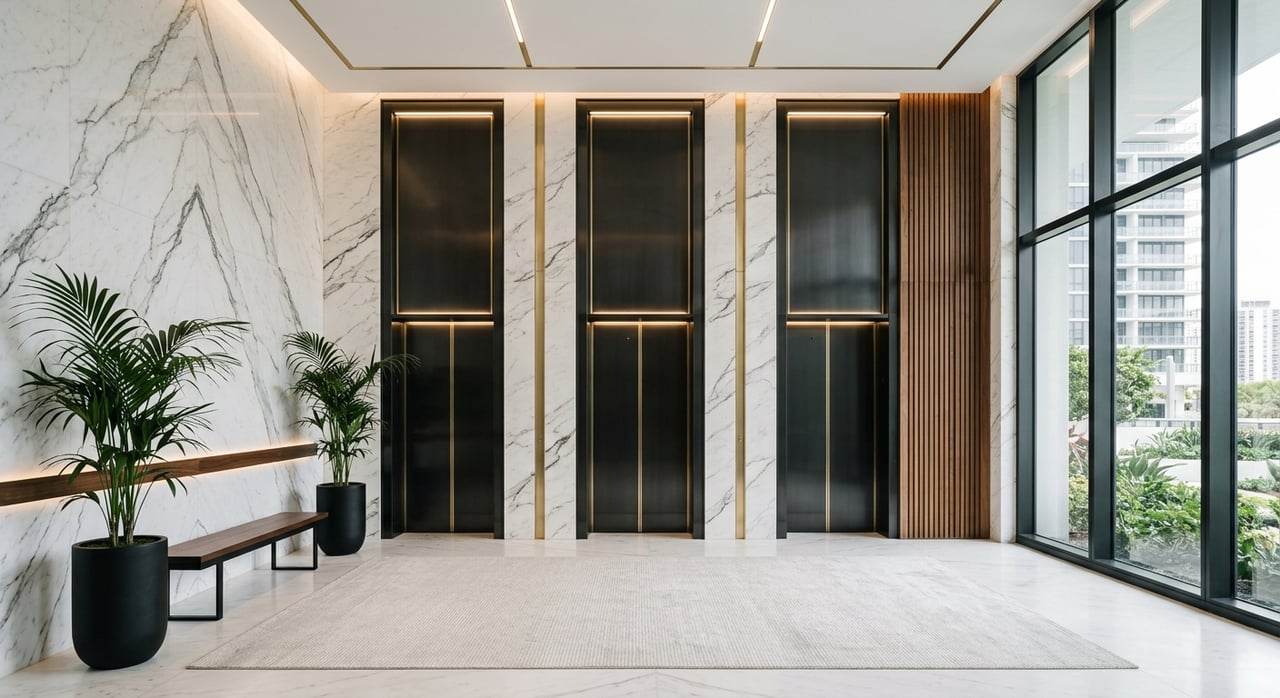
In Brickell, it’s common to see 24-hour concierge, valet, resort pools, spa-level fitness, lounges, movie rooms, co-working spaces, and on-site retail or dining. Downtown varies: some older buildings offer a pool and small gym at lower fees, while newer towers rival Brickell’s luxury stack.
More amenities often mean higher monthly HOA fees. Those fees typically cover staffing, building insurance for common areas, maintenance, utilities like water and trash, reserves, security, and landscaping. Some listings show fees as dollars per square foot to help cross-compare buildings.
Special assessments and reserves
Older buildings may levy special assessments for structural repairs like concrete spall remediation, garage reinforcement, or elevator replacement. Newer towers can also assess for amenity upgrades or unforeseen projects. Review the association’s reserve study, budget, and recent board meeting minutes before you commit.
Transit, walkability, and daily life
Both neighborhoods are among the most transit-friendly in Miami-Dade. Brickell has the Brickell Metrorail station and Metromover coverage, making car-free trips around the core easy. Downtown’s Government Center connects multiple lines, and Brightline at MiamiCentral offers intercity service to other South Florida cities.
Brickell delivers a dense, walkable cluster of restaurants, bars, grocery stores, and Brickell City Centre retail. Downtown leans into culture and events with parks, museums, arenas, and waterfront access. Consider event noise and traffic patterns if you prefer a quieter corridor.
Insurance, flood, and lending
Condo ownership includes two insurance layers. The association’s master policy covers common elements and the building envelope per the declaration. Your individual HO-6 policy covers interior improvements, personal property, and liability. Flood insurance may be required by lenders if the building sits in a FEMA flood zone. Ask whether the association carries flood for common areas and get your own quote for interior coverage.
On lending, project eligibility matters. Lenders review owner-occupancy, reserves, litigation, investor concentration, and special assessments. Some buildings may be non-warrantable, which limits certain loan products. If you plan to use FHA, VA, or conventional loans that follow agency rules, verify the building’s status early.
Short-term rentals are often restricted at the building level, even if the city permits certain stays. Always confirm the condo bylaws and city rules if rental flexibility is part of your plan.
Buyer checklist: before you write an offer
- Association health: request the latest budget, audited financials, reserve study, and recent board minutes.
- Assessments: ask about pending or recent special assessments and the scope of work.
- Reserves and maintenance: confirm elevator, concrete, façade, and waterproofing plans.
- Rules: pets, subletting, minimum rental terms, and short-term rental policies.
- Parking and storage: assigned spaces, guest policies, and any extra fees.
- Utilities: what is included in HOA versus metered to the unit.
- Insurance: what the master policy covers and what you must insure; get flood quotes if applicable.
- Financing: check project eligibility for your loan type and any lender restrictions.
- Market comps: validate $/sq. ft. against similar floors, views, and conditions.
- Noise and events: proximity to arenas and event venues, especially in Downtown.
- Construction pipeline: new nearby projects that could affect views or future supply.
Which neighborhood fits your goals?
Choose Brickell if you want a full-service, luxury high-rise lifestyle with extensive amenities and a vibrant, walkable dining and nightlife scene. Choose Downtown if you want a broader mix of price points and strong proximity to parks, museums, arenas, and the Brightline hub.
If you’re ready to compare live listings, HOA budgets, and building eligibility in real time, reach out to Julimar Barreiro for a tailored condo shortlist and on-the-ground guidance. Service available in English, Spanish, and Portuguese.
FAQs
Which area has lower monthly HOA fees on average?
- Older Downtown mid-rises with simpler amenities often have lower fees, while Brickell’s full-service towers tend to be higher; newer luxury Downtown towers can be similar to Brickell.
How do views affect price per square foot in Brickell and Downtown?
- Bay and high-floor skyline views usually command notable premiums; interior or obstructed views trade at lower per-square-foot prices even within the same building.
Are Brickell or Downtown condos more likely to be eligible for FHA or VA loans?
- Eligibility varies by building; project-level factors can make some condos non-warrantable, so verify approval status with your lender before you shop.
How common are special assessments in older Downtown buildings versus newer Brickell towers?
- Older buildings more often assess for structural items like concrete or elevator work; newer towers can still levy assessments for amenity or system upgrades, so review the reserve study and history.
What are the main insurance concerns and who pays for what?
- The HOA’s master policy covers common elements and the building envelope; you carry an HO-6 for interiors and personal property, and flood insurance may be required depending on the FEMA zone.
Can I short-term rent my unit in Brickell or Downtown?
- Many associations restrict short-term rentals regardless of city rules; confirm minimum lease terms and enforcement in the condo bylaws before you buy.