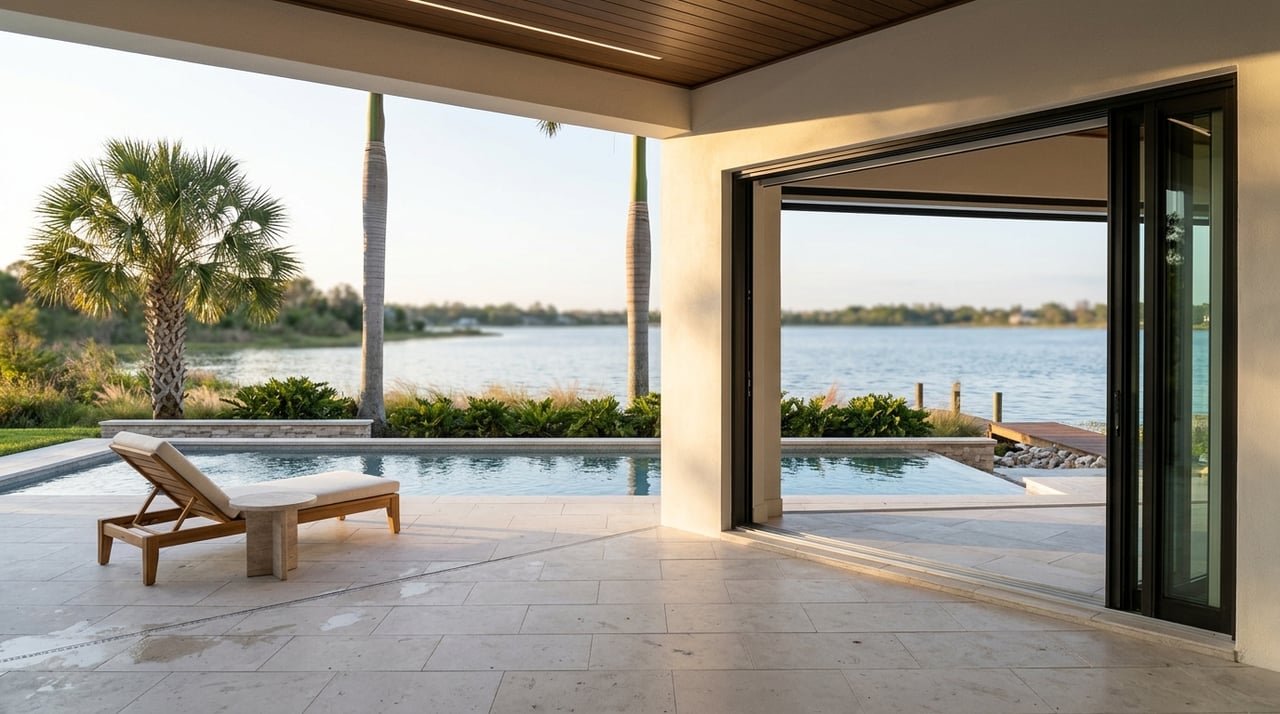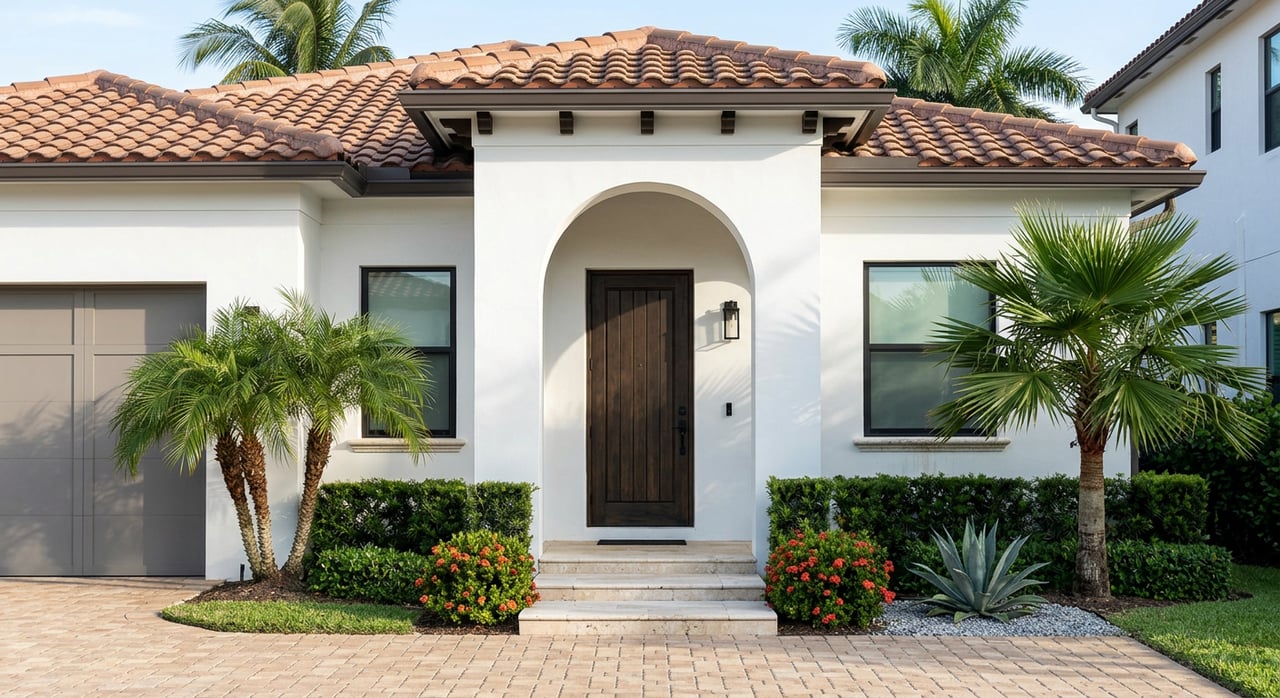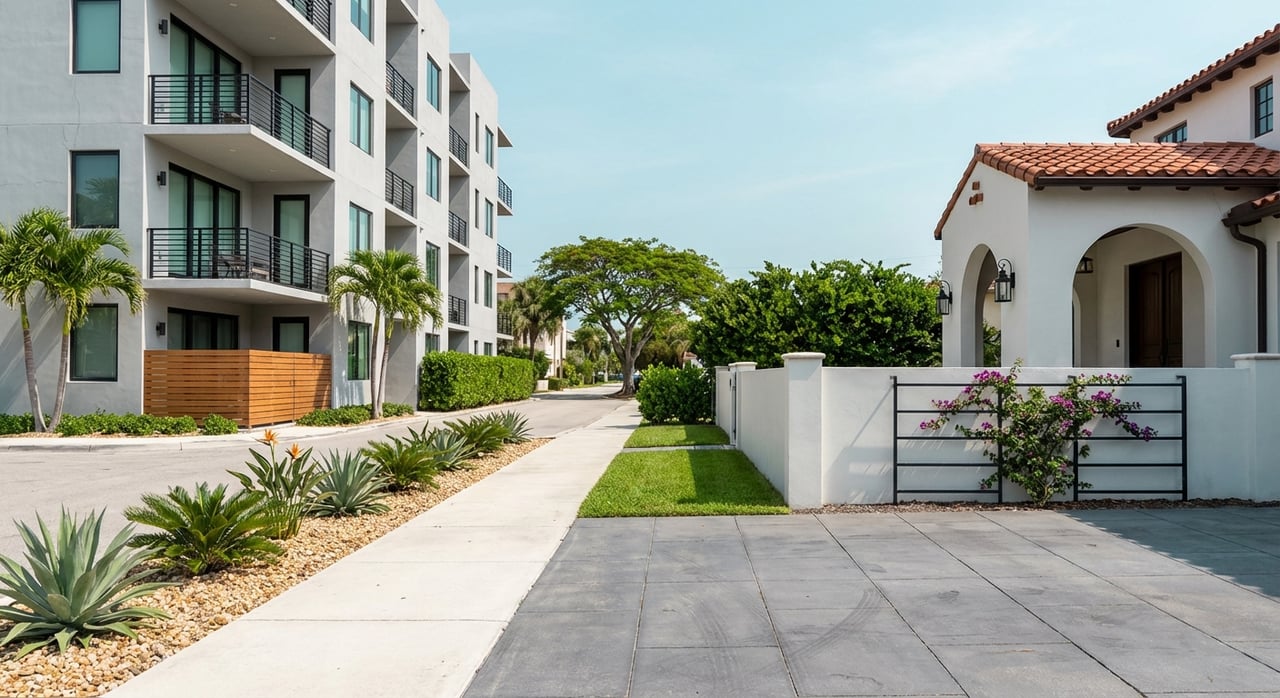
Thinking about moving to Tampa but want the real story on daily life? You are not alone. Many new residents picture sunshine and waterfront views, then realize they also need clear info on neighborhoods, commutes, costs, and storm prep. This guide walks you through what it actually feels like to live here so you can decide if Tampa fits your goals. Let’s dive in.
Tampa at a glance
Tampa sits within a fast-growing metro that attracts people for its jobs, weather, and lifestyle. You will find a diverse community with a blend of long-time Floridians, new arrivals from across the U.S., and seasonal residents. Growth has brought new housing options, more dining and entertainment, and some added pressure on roads and services.
The local economy is broad. Major employment sectors include healthcare, education, professional services and finance, defense, hospitality, and shipping. Key anchors include MacDill Air Force Base, the University of South Florida, Tampa General Hospital, Port Tampa Bay, and Tampa International Airport. If you work in healthcare, logistics, or professional services, you will likely find strong opportunity.
The housing market surged after 2020 and then cooled as mortgage rates rose in 2023 and 2024. Neighborhoods vary. You can tour urban condos downtown, mid-market single-family homes in central neighborhoods, planned communities in the suburbs, and high-end waterfront properties on the bay. Listings in popular areas can still move quickly in spring and summer.
Where you might live
Tampa offers a wide mix of home types. Your best fit will depend on how you balance commute, budget, space, and lifestyle.
Downtown and Channel District
You will see high-rise and mid-rise condos with easy access to the Riverwalk, sports venues, and dining. It is convenient if you want a shorter commute and a more urban routine. Outdoor space is more limited, and parking can be structured or reserved.
Hyde Park and SoHo
Historic homes and bungalows sit near boutique shopping, restaurants, and parks. Streets feel active, and walkability is higher in pockets. Expect character homes and a mix of renovated and classic properties.
Seminole Heights
A bungalow-heavy neighborhood known for a creative dining scene. You may find value or renovation opportunities alongside updated homes. It offers a blend of historic charm and local spots.
Ybor City
Tampa’s historic cigar district offers a mix of apartments, lofts, and older buildings. You are close to nightlife and entertainment, plus the streetcar to downtown. Architecture and history are part of everyday life here.
Davis Islands, Harbour Island, and South Tampa
These areas showcase waterfront and island living. You will see marinas, boat access, and upscale homes. Price points are often higher, and some pockets may require extra attention to flood considerations.
Westchase, Carrollwood, Brandon, and Riverview
Planned communities and newer developments provide yards, community amenities, and HOA-managed neighborhoods. If you want suburban living with parks and a range of home sizes, this is where many families look. Commuting into downtown is common by car.
Getting around and commuting
Tampa is car-oriented. Major routes include I-275, I-4 to Orlando, I-75 on the east side, and the Selmon Expressway across the city. Traffic builds during rush hours, especially near downtown interchanges and bridges.
Public transit is improving in the urban core. The local system, HART, runs bus routes and the TECO Line Streetcar between downtown and Ybor. Transit does not replace a car for most residents, but it can work for select commutes and event days.
If you travel often, Tampa International Airport is a standout convenience with domestic and some international routes. For daily biking and walking, you will find better conditions downtown, in Hyde Park, and parts of South Tampa, with trails growing along the Riverwalk and nearby corridors.
Weather, storms, and seasons
Tampa’s climate is humid subtropical. Summers are hot and humid, with frequent afternoon storms. Winters are mild and comfortable. During peak summer, most residents shift outdoor activities to mornings and evenings.
Hurricane season runs June 1 to November 30. Stay aware, build a simple storm kit, and follow updates from the National Hurricane Center. Flood risk varies by neighborhood and elevation. Before you buy, review the FEMA Flood Map Service Center for property-specific insights and ask your insurance provider about flood coverage.
Safety, crime, and peace of mind
Crime patterns vary by neighborhood. Some central-city areas report higher rates than certain suburban pockets, and trends can change. For the most current view, review official resources from the Tampa Police Department, check block-level maps, and visit neighborhoods at different times of day. A quick chat with local residents and a guided tour with your agent can also help you understand day-to-day feel.
Costs and practicalities
Moving to a new city works best when you budget for more than just the mortgage. Tampa’s everyday costs can differ from what you are used to.
Taxes you should know
Florida has no state income tax. Sales tax is a combined state and local rate that can vary. For current details, confirm with the Florida Department of Revenue. Property tax bills depend on local millage rates and exemptions. Estimate potential taxes with the Hillsborough County Property Appraiser.
Insurance and flood considerations
Homeowners insurance in Florida has seen rising premiums due to wind and hurricane exposure. Some properties may require separate windstorm coverage or use of a state-backed plan. Standard homeowners policies do not cover flood damage. If your property is in a flood zone or your lender requires it, you will need a separate flood policy. Get quotes early and review the FEMA flood maps while you shop.
Utilities and energy use
Air conditioning drives summer energy bills. If you are moving from a cooler climate, expect higher electric usage from June through September. Newer construction and well-sealed homes can help with efficiency. Many residents budget extra for the peak heat months.
Schools and education
Hillsborough County Public Schools serves the Tampa area with neighborhood schools, magnet programs, and charter options. Performance varies by zone and program. Families often review district resources, school grades, and boundary maps before picking a neighborhood. Start with the district’s main site at Hillsborough County Public Schools.
Healthcare access
Tampa has strong hospital systems, specialty care, and outpatient facilities. Tampa General Hospital is a major center for trauma and complex care. You will find additional hospitals and clinics across the county, which is helpful for routine and specialty needs.
Lifestyle you can enjoy
Food culture is part of everyday life. You can explore Cuban and Spanish heritage, Gulf seafood, and a growing lineup of farm-to-table, international, and craft brewery spots. Downtown and Ybor keep the calendar full with events, shows, and concerts.
For outdoor time, the Tampa Riverwalk connects parks, museums, and dining along the water. Weekend beach trips are easy, with popular Pinellas County beaches roughly 20 to 40 minutes away depending on traffic. Boaters, paddlers, and runners have plenty of options along the bay, river, and local parks.
If you are a sports fan, hockey at Amalie Arena, college sports at USF, and seasonal festivals will keep you busy. Winter weather brings more outdoor events and visiting friends and family. Summer is still active, just earlier and later in the day.
How to choose your Tampa fit
Use these steps to compare neighborhoods and build a plan:
- List your top three priorities. For example, commute time, school choices, or waterfront access.
- Test the commute during rush hour. Drive or use transit to see the real time door to door.
- Check flood and insurance early. Pull the FEMA flood map for each short list address and request insurance quotes.
- Walk the neighborhood on a weekday and weekend. Visit morning and evening to understand traffic, noise, and activity.
- Estimate taxes and fees. Use the Property Appraiser and confirm HOA costs if applicable.
- Review school options. Start at Hillsborough County Public Schools, then compare programs near your target area.
When you are ready for a tailored plan, local guidance can save you time and help you avoid surprises. If you want a bilingual, high-touch process from search to closing, connect with Julimar Barreiro for a friendly, step-by-step approach. Hablamos Español e Português.
FAQs
Is Tampa a car city for daily life?
- Yes for most residents. Many trips are by car, though HART buses and the streetcar help in the urban core, and walkability is better downtown and in parts of South Tampa.
How hot is summer in Tampa and how do people cope?
- Summers are hot and humid with frequent afternoon storms; residents plan outdoor time for mornings and evenings and rely on air conditioning at home and work.
Which neighborhoods are closest to downtown amenities?
- Downtown, the Channel District, and nearby areas like Hyde Park, SoHo, and Harbour Island put you near the Riverwalk, arenas, and dining with shorter commutes.
Do I need flood insurance to buy a home in Tampa?
- It depends on the property and lender requirements. Standard policies do not cover flood; check the FEMA maps and ask your insurer for quotes early.
What taxes should I plan for as a new homeowner?
- Florida has no state income tax. Plan for sales tax on purchases and property taxes that vary by location. Confirm details with the Florida Department of Revenue and the Hillsborough County Property Appraiser.
How far are the beaches from Tampa?
- Many popular Gulf beaches, like those in Pinellas County, are about 20 to 40 minutes away depending on traffic, making weekend trips easy.