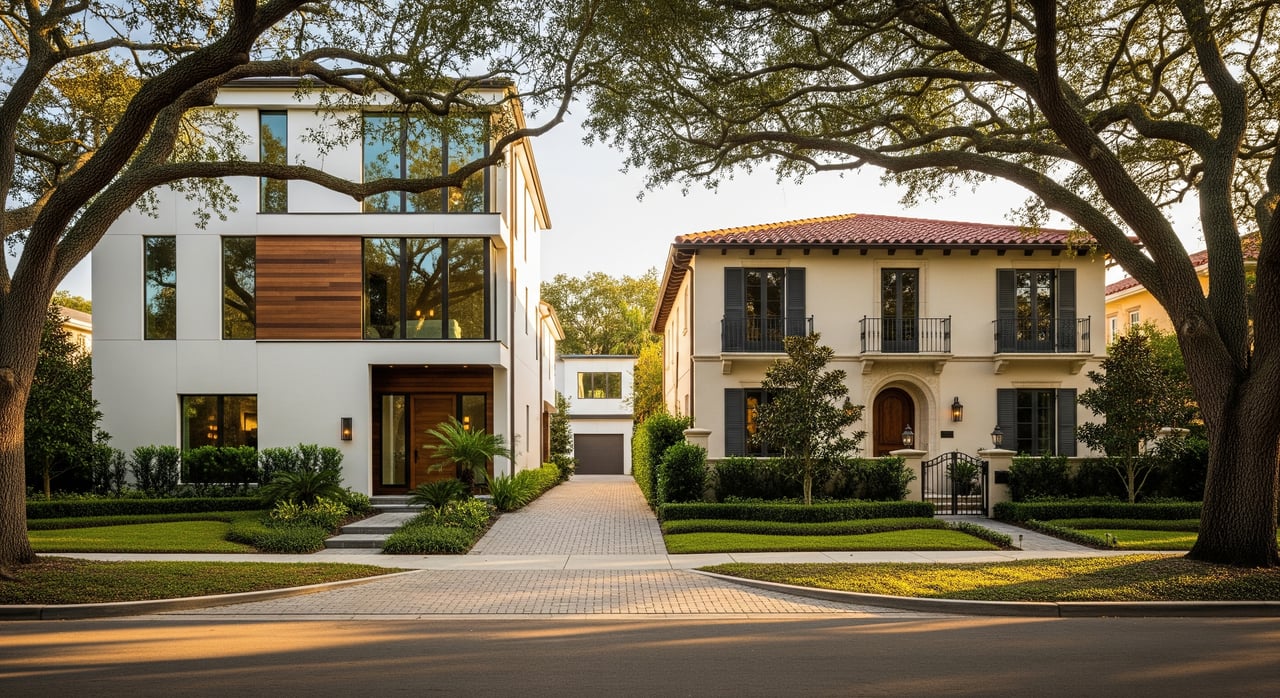
Thinking about a brand-new build or the charm of a Winter Park classic? You are not alone. In a city known for tree‑lined streets, lakes, and cultural amenities, choosing between new construction and resale can feel like two good options with very different paths. This guide breaks down the tradeoffs, timelines, inspections, financing, and local factors so you can choose with confidence. Let’s dive in.
Winter Park market snapshot
Winter Park is a mature suburb with historic neighborhoods, infill redevelopment, and a few boutique new-home pockets. You will often see higher price-per-square-foot values compared with many parts of Orange County because of location, proximity to Park Avenue, and access to area amenities.
Large, brand-new subdivisions are limited by zoning, historic districts, and tree-preservation rules. Most new homes appear on infill lots or as tear-down rebuilds. Resale listings are more common in established neighborhoods. Supply can shift quickly, so use local market data from the Orlando-area Realtor association and the Orange County Property Appraiser to stay current.
New construction: what to expect
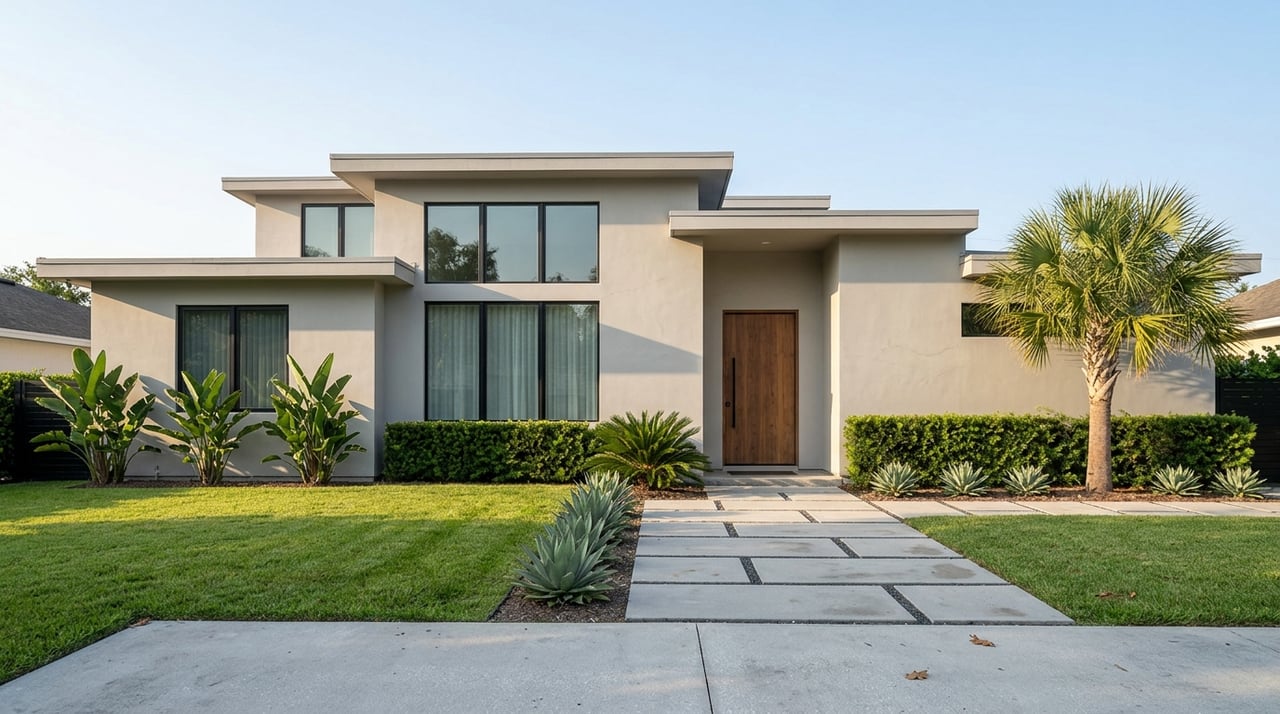
New homes often command a premium per square foot. That premium in Winter Park depends on lot location, finishes, and whether the home replaces a teardown or sits in a newer enclave. In exchange, you get modern layouts, energy-efficient systems, and construction that meets current Florida Building Code standards.
Timelines vary. Production-style builds often run about 4 to 9 months from contract to completion. Custom homes can take 9 to 18 months or more. Expect possible delays from permitting, weather, subcontractor availability, and supply chains. If you are building on an infill lot, plan for demolition, tree and landscape rules, and potential neighborhood or historic reviews.
Bottom line: New construction gives you design control and newer systems, but you pay more, wait longer, and navigate more steps.
Resale homes: what to expect
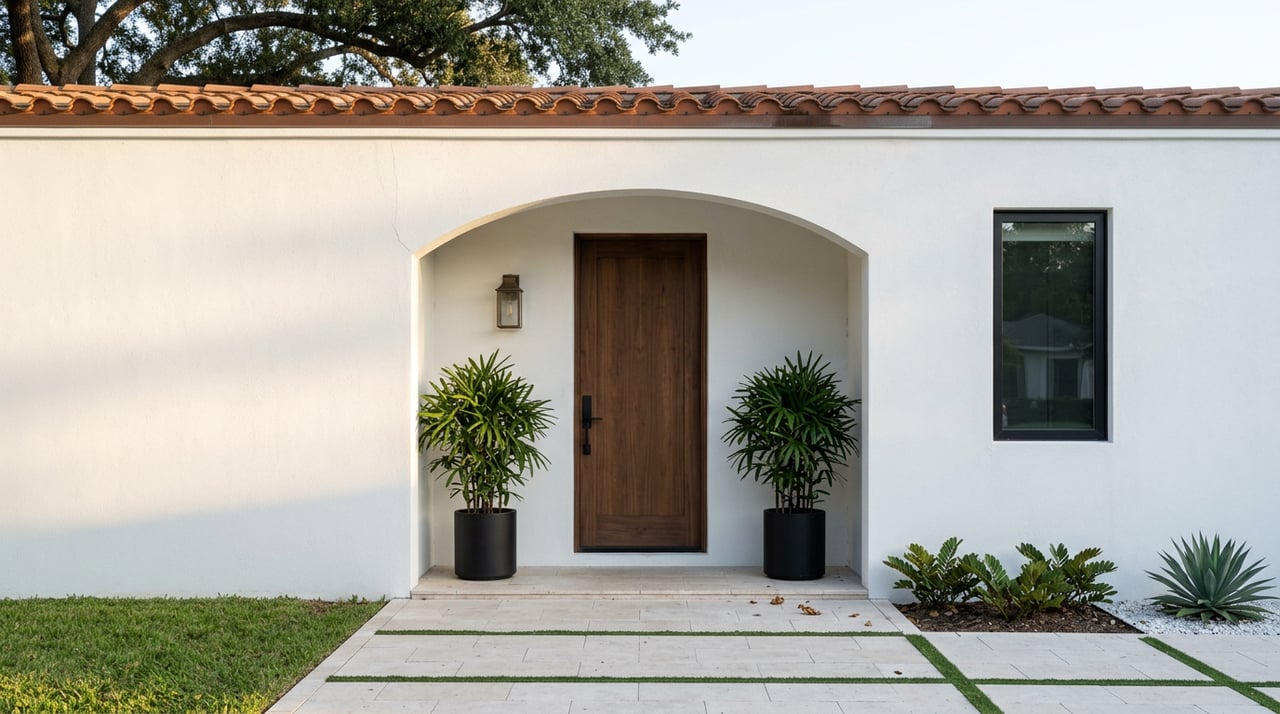
Resale homes offer immediate location advantages in many Winter Park neighborhoods near Park Avenue, Rollins College, and lakes. You may find mature landscaping, larger shade trees, and established street character. Closing can often be faster since there is no construction timeline.
Tradeoffs include older systems and potential insurance considerations. Roof age, windows, and hurricane protections may affect coverage and premiums. You will rely on inspections and negotiations to handle repairs or credits.
Bottom line: Resales deliver location and speed, but due diligence on condition and insurance is essential.
Timelines and process differences
- New construction steps: lot selection and closing, design approvals, permitting, construction phases with municipal inspections, then orientation, walkthrough, and punch list. Historic or architectural review can add weeks or months.
- Resale steps: home search, offer and inspections, appraisal and loan approval, then closing. The process is usually shorter than a build since you are not waiting on construction.
Ask builders for a projected schedule, clear milestones, and how they communicate delays. If timing is tight, consider contract contingencies, a leaseback, or bridge financing.
Inspections, warranties, and protection in Florida
New construction inspections
City inspections check code compliance at stages like foundation, framing, and final. These are important, but they do not replace independent inspections. When allowed, hire an independent inspector for pre-drywall and final checks. Document punch-list items at walkthrough and ask for timelines. Verify the builder and trades hold active Florida licenses through the state’s licensing resources.
Resale home inspections
Order a full home inspection and plan for Florida-specific reports:
- WDO inspection for wood-destroying organisms.
- Wind mitigation inspection that may help reduce insurance premiums.
- Four-point inspection for older homes, often required by insurers.
- Sewer line inspection, roof certification, or mold/air-quality tests if needed.
Warranties and defect remedies
Most builders offer a tiered warranty model: 1 year for workmanship and materials, 2 years for mechanical and interior systems, and a limited 10-year structural warranty. Review documents before you sign and confirm how to submit claims. Resale properties are typically sold as-is unless you negotiate a home warranty from the seller.
Insurance considerations
Newer homes built to current Florida codes often perform better on wind-resistance and may qualify for credits that can reduce insurance costs. Older homes may need wind mitigation retrofits or roof updates to meet insurer standards. For any property, review flood zone status and whether an elevation certificate is needed.
Lot and neighborhood tradeoffs in Winter Park
Older neighborhoods can offer larger lots, mature trees, and established curb appeal. Shade and landscaping matter here for comfort, privacy, and stormwater control. New builds on infill lots often use the full buildable envelope with tighter setbacks and modern footprints.
If you prefer larger new lots, you may look at parcels farther from downtown Winter Park. Consider travel times to shopping and dining. In any area, evaluate drainage, elevation, and easements. Some neighborhoods have historic or architectural review that may limit exterior changes and extend timelines.
Financing, appraisal, and taxes
New construction financing
Builders may recommend construction-to-permanent loans that convert to a standard mortgage at completion. Appraisals can be complex, especially if you add upgrades that may not appraise dollar for dollar. Ask your lender how they handle phased appraisals and upgrade allowances.
Resale financing
Resales typically use standard mortgages with appraisals based on recent comparable sales. Closing can move faster if there are no construction contingencies or repairs.
Appraisal and value
New homes may require comps from other recent builds of similar quality. In tight markets, appraisal gaps can occur if comparable sales lag behind current pricing. Resales rely on nearby comps. Unique features or historic charm may not always translate to higher appraised values.
Insurance and flood
Newer construction can qualify for wind mitigation credits. Older properties may need retrofits or roof certifications. If a home sits in a FEMA-designated flood zone and you have a federally regulated mortgage, flood insurance is required.
Property taxes and fees
A teardown plus rebuild can trigger a reassessment of taxable value based on the improved property. Ask about special assessments or impact fees in new subdivisions, and confirm any HOA covenants.
Decision checklist
Use this list to compare options side by side:
- Location and lifestyle: commute needs, access to amenities, neighborhood character, walkability.
- Timeline: immediate move or flexible enough to wait 4 to 18 months.
- Budget and upgrades: base price, common upgrade costs, landscaping, fencing, and window treatments.
- Lot factors: size, orientation, elevation, tree cover, and drainage.
- Inspections and warranties: independent inspections, builder warranty terms, seller disclosures, and repair negotiations.
- Financing and appraisal risk: construction loan readiness, upgrade appraisal coverage, and appraisal gap plans.
- Insurance costs: wind mitigation, roof age and condition, and flood risk.
- Resale value: neighborhood comps, future development, and HOA rules.
Key questions to ask
Questions for builders
- What warranties are included, and can I review the 1-year, 2-year, and 10-year structural documents?
- How quickly do you resolve warranty claims, and can you share recent examples?
- What is the construction schedule with milestones, and what delays have you seen in the last year?
- How do change orders work, and can I lock allowances like appliances or counters?
- Which licensed trades will you use, and can I review their Florida license numbers?
- Will you allow third-party inspections at pre-drywall and final stages, and can I access the site?
- How are punch-list items handled after closing, and what is the typical timeline for completion?
- Are there special assessments, impact fees, or HOA covenants tied to this lot?
- How will grading, drainage, and flood elevation be addressed, and will I receive an elevation certificate if needed?
Questions for sellers
- How long have you owned the home, and why are you selling?
- Can you provide seller disclosures, repair receipts, and permit records for major work?
- Have you completed WDO, wind mitigation, or roof inspections recently, and is there any history of leaks or flooding?
- Are there HOA documents, neighborhood restrictions, or pending assessments?
- What ongoing or deferred maintenance should I know about?
- Can you share utility costs and property tax history?
Make your move with confidence
Both paths work in Winter Park. If you value modern systems, energy efficiency, and design control, new construction can shine. If you want location, character, and a faster move, resale may be the smarter pick. The right choice fits your timeline, budget, and lifestyle.
If you want a local, step-by-step plan tailored to your goals, reach out to Julimar Barreiro. We will compare options, run numbers, and line up inspections and financing paths that make sense for you. We speak English, Spanish, and Portuguese.
FAQs
What makes new construction cost more in Winter Park?
- New homes often carry a per-square-foot premium. In Winter Park, that premium depends on lot location, finishes, and whether the home is an infill rebuild or part of a newer enclave.
How long does a new build take in Winter Park?
- Production builds commonly take about 4 to 9 months. Custom homes can take 9 to 18 months or more, with possible delays from permitting, weather, trades, or materials.
Which inspections do I need for a resale home in Florida?
- Plan for a full home inspection plus WDO, wind mitigation, and a four-point for older homes. Add sewer line, roof certification, or mold testing if conditions suggest it.
Do new homes lower insurance costs in Florida?
- Newer homes built to current Florida Building Code can qualify for wind mitigation credits, which may reduce premiums. Actual savings depend on your insurer and the home’s features.
How do historic districts affect building in Winter Park?
- Historic or architectural overlays can add design rules and extra review steps, which may limit choices and extend timelines. Confirm requirements before you commit.
Will property taxes change after a teardown and rebuild?
- Yes, new construction often triggers reassessment based on improved value. Ask about potential changes and any impact fees or special assessments before you build.